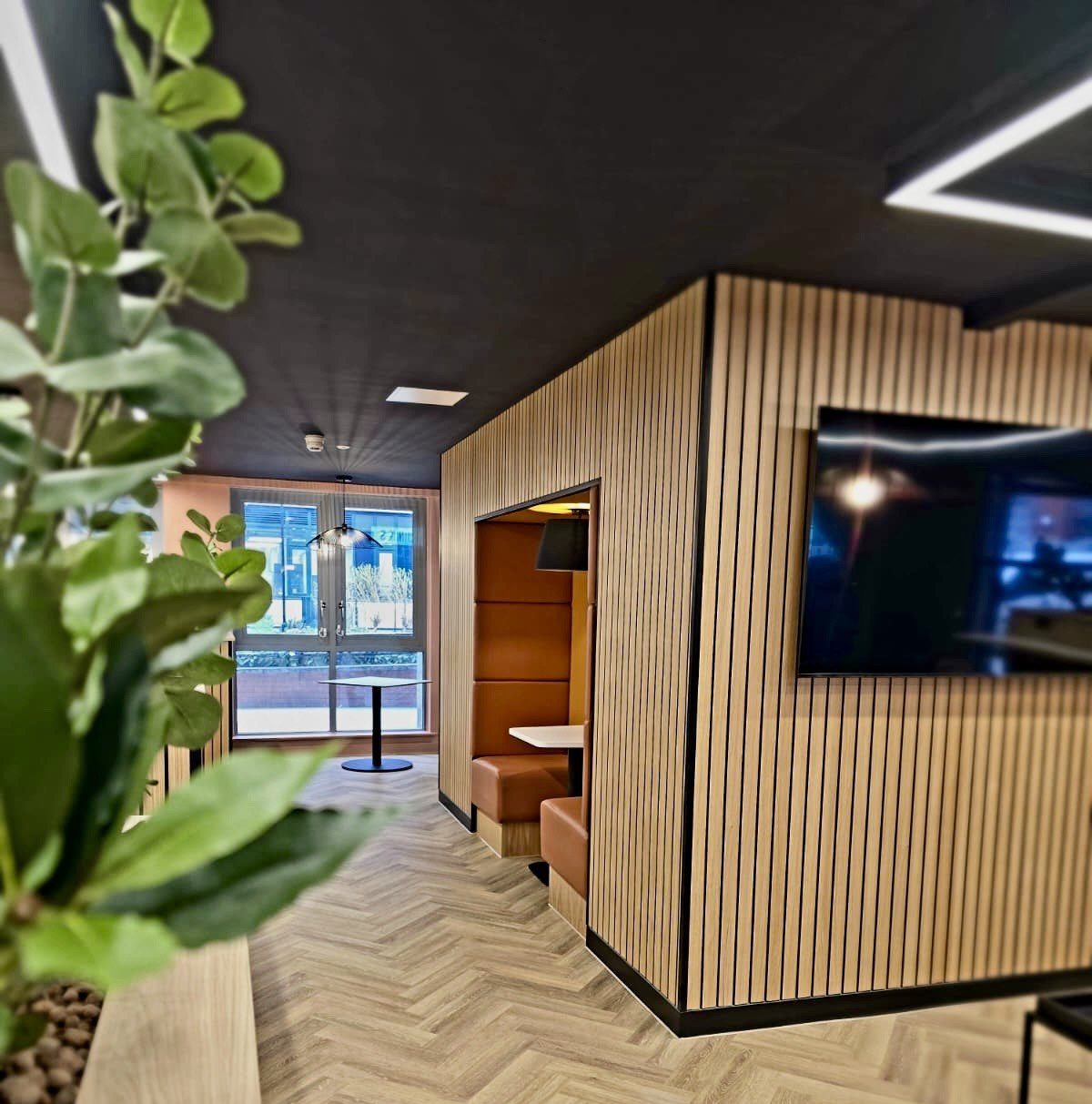
Could refurbishment be part of the answer?
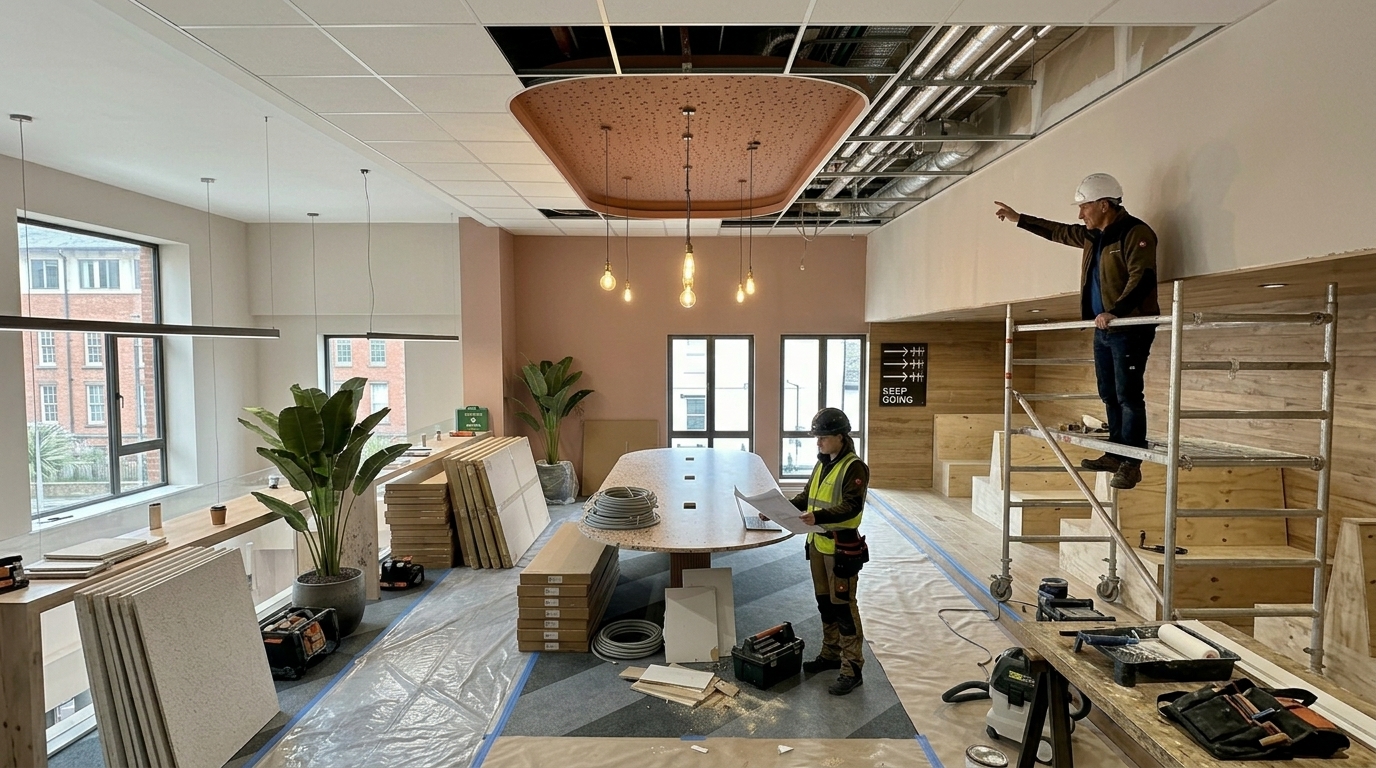
A considered refurbishment can transform an existing property while retaining much of the original asset.
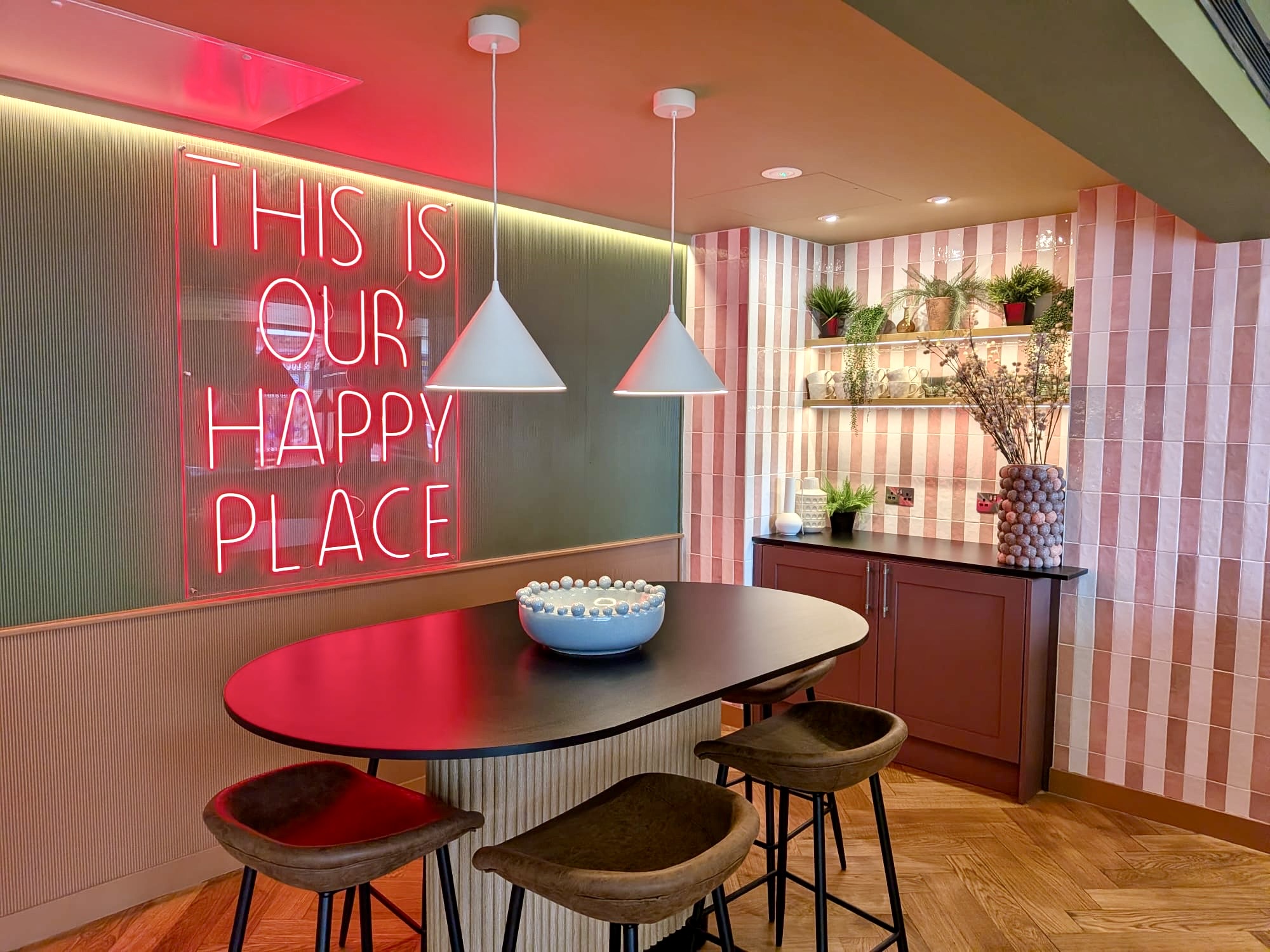
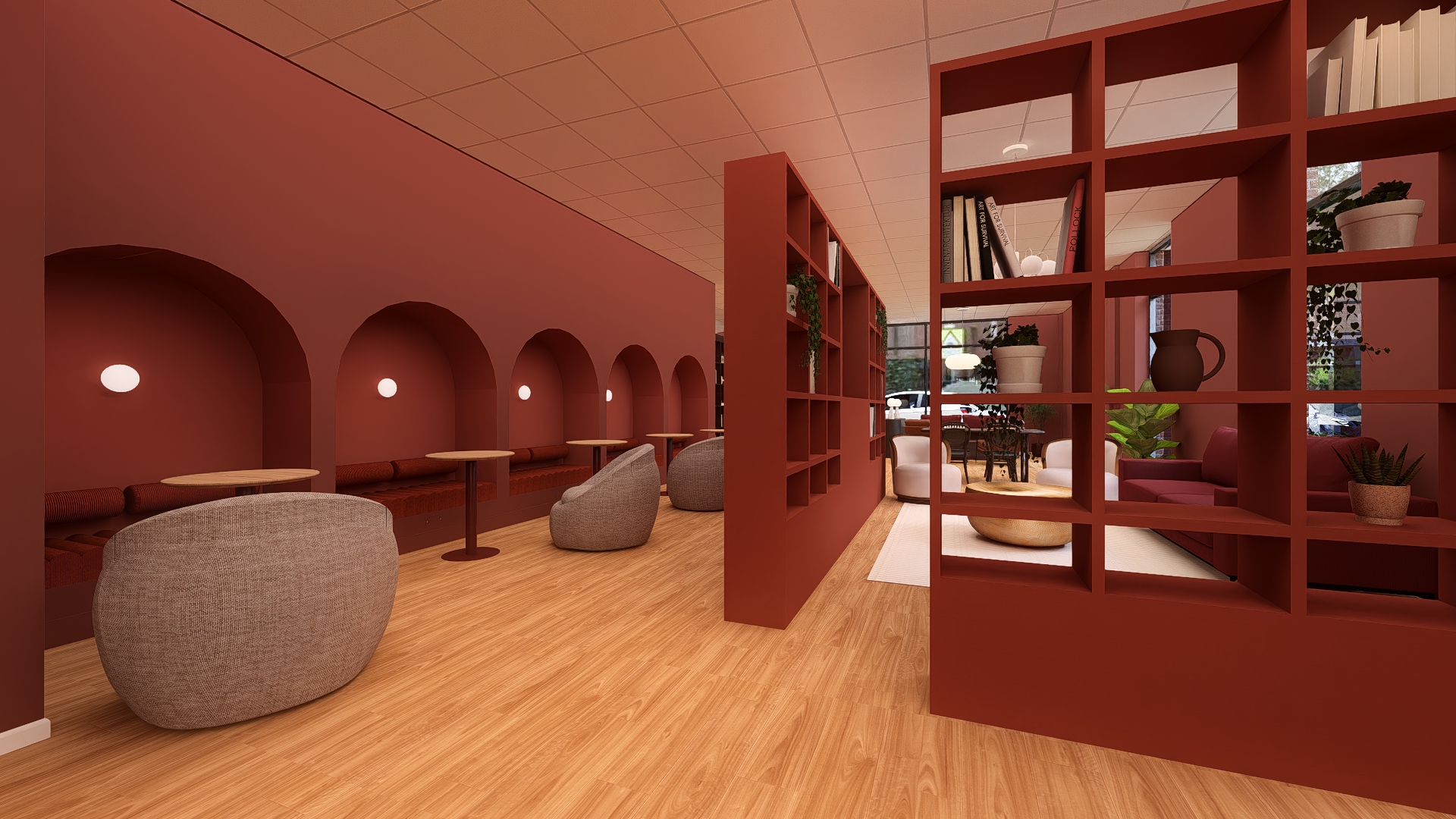
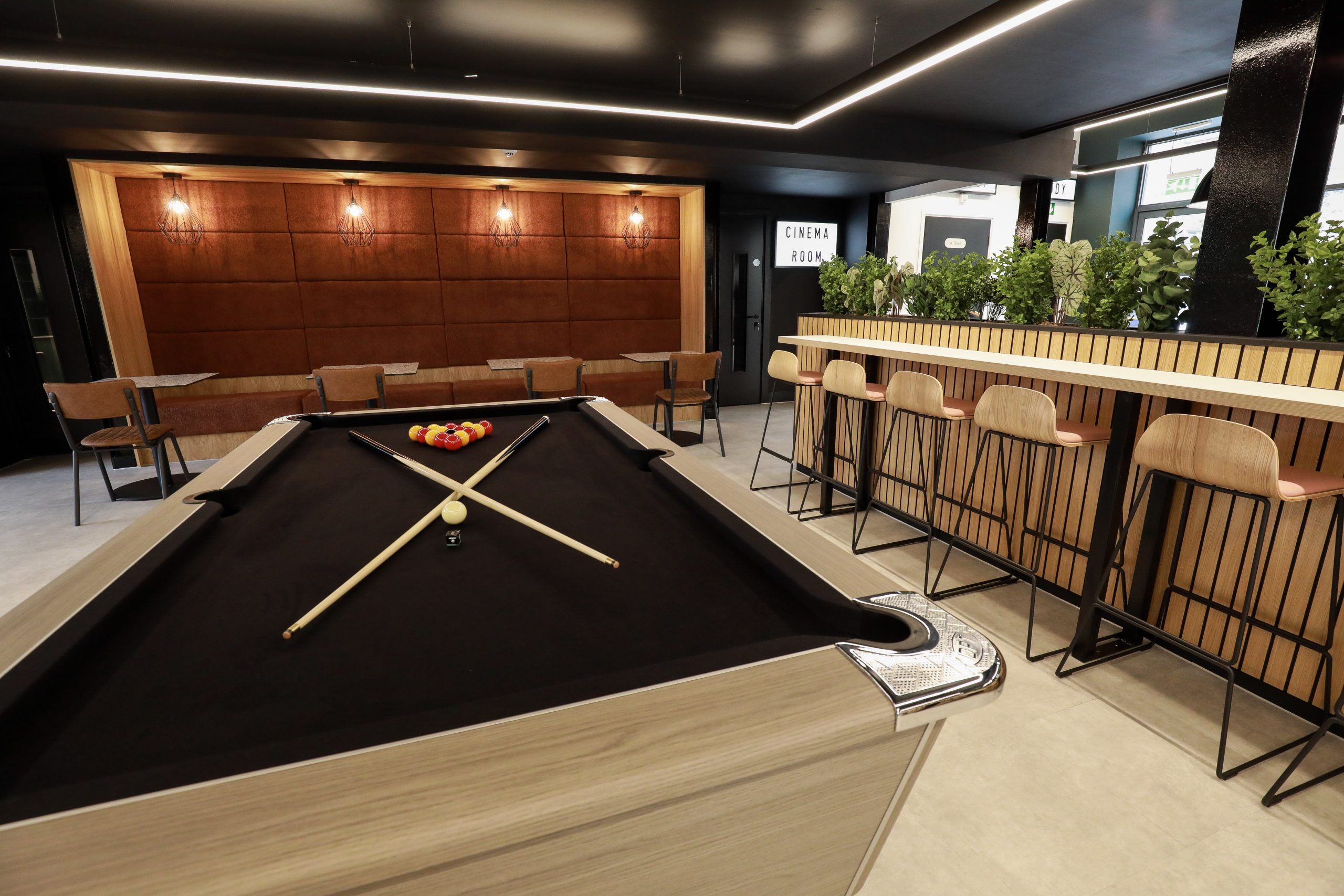
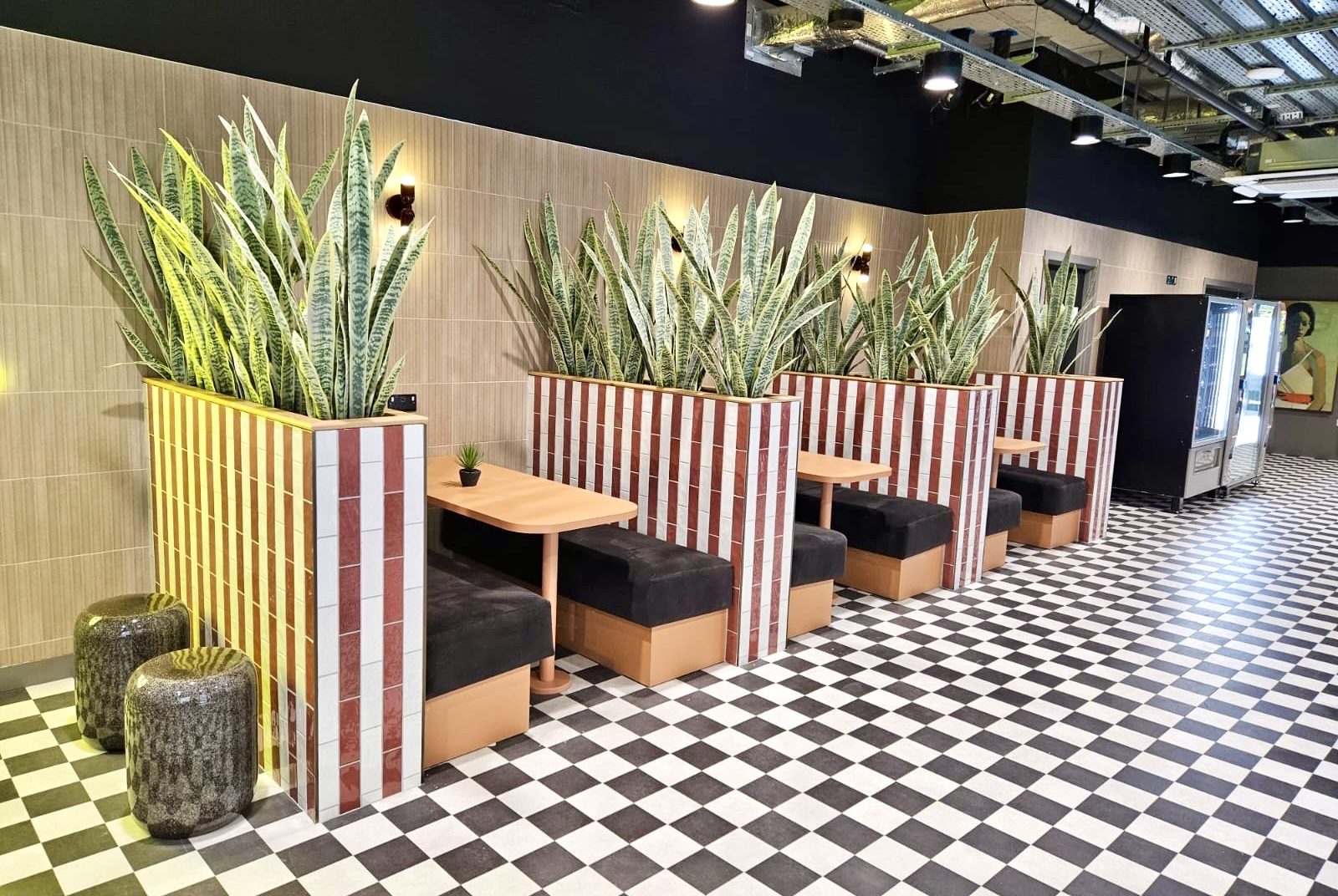
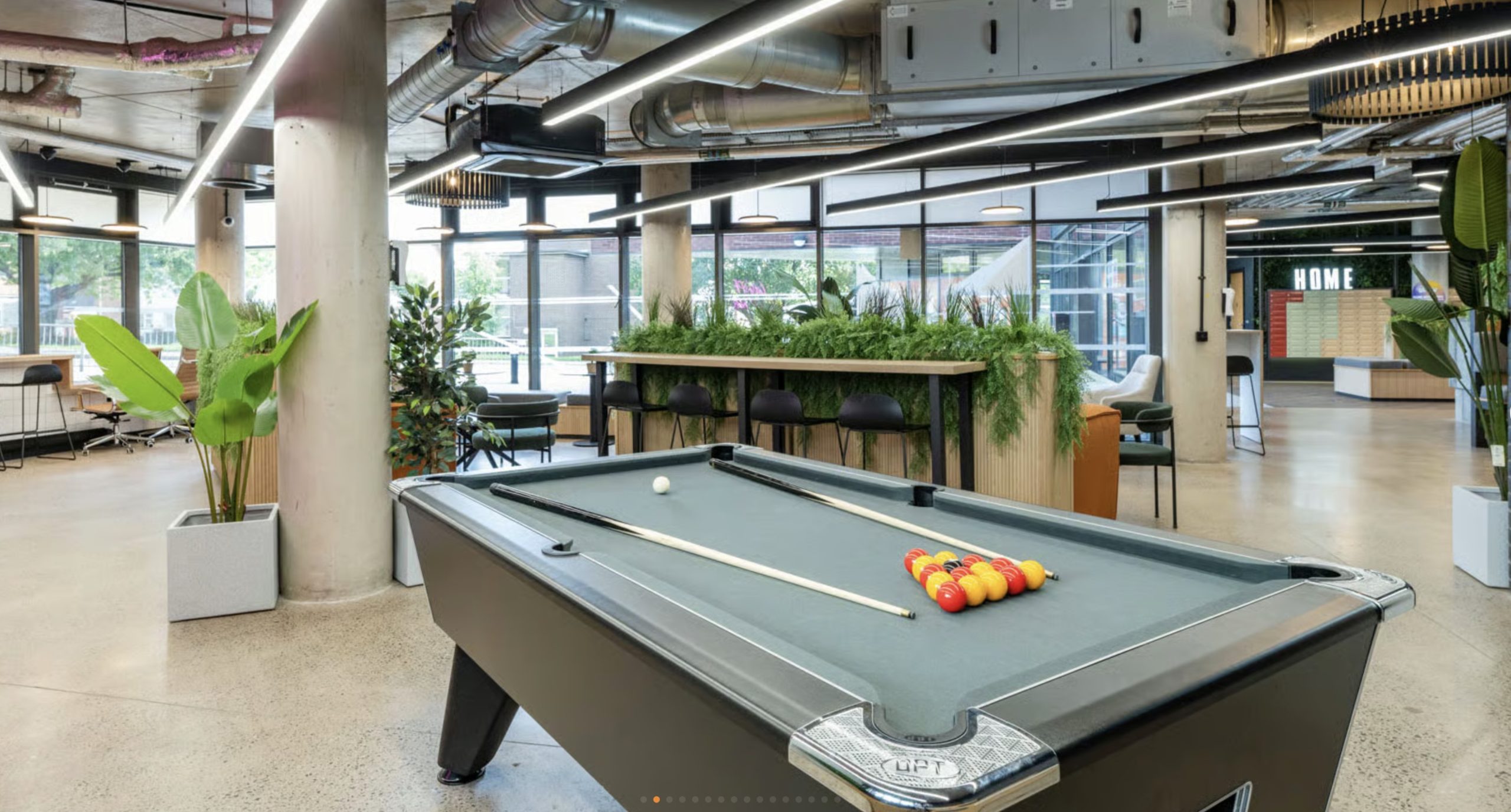
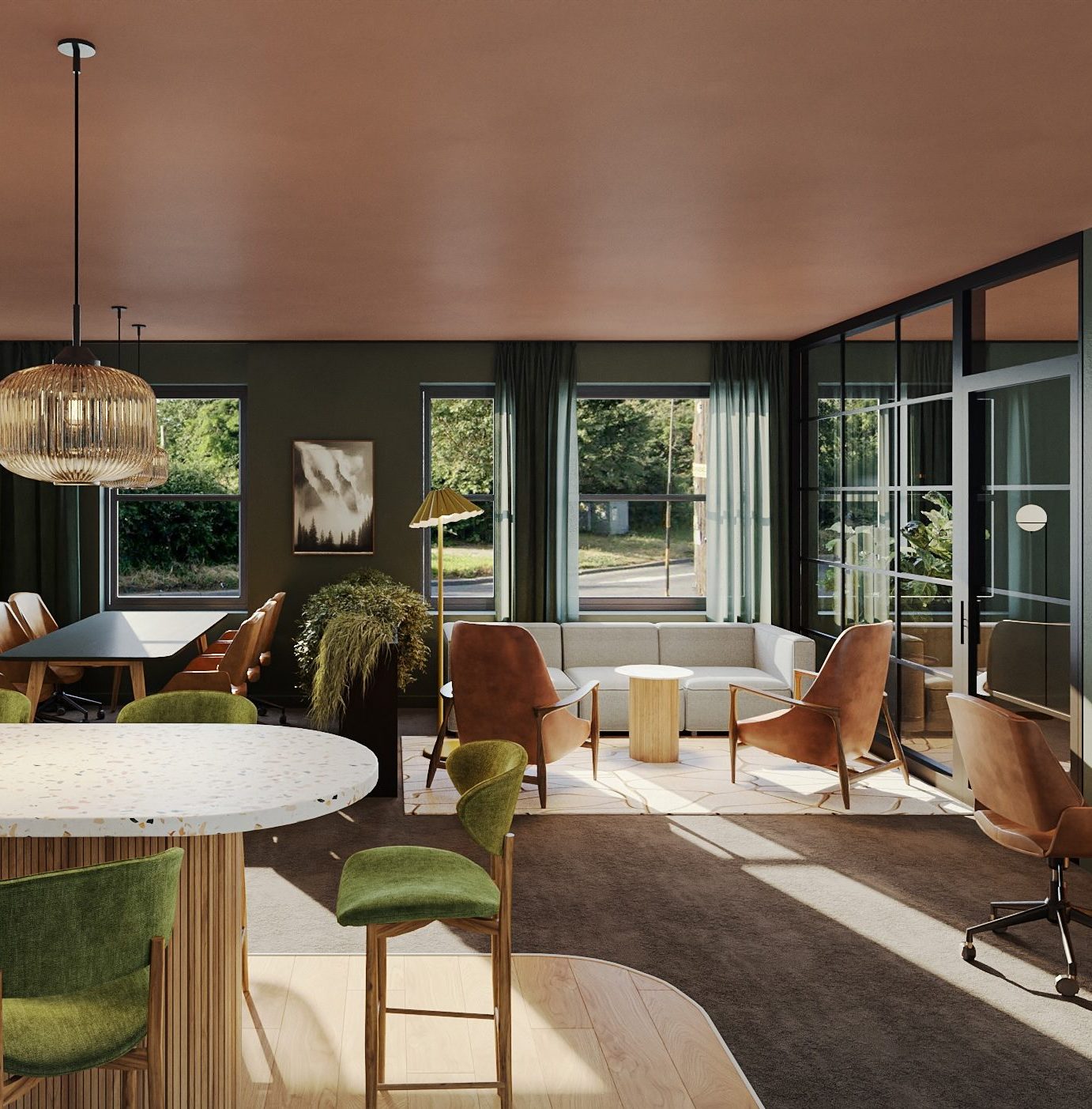
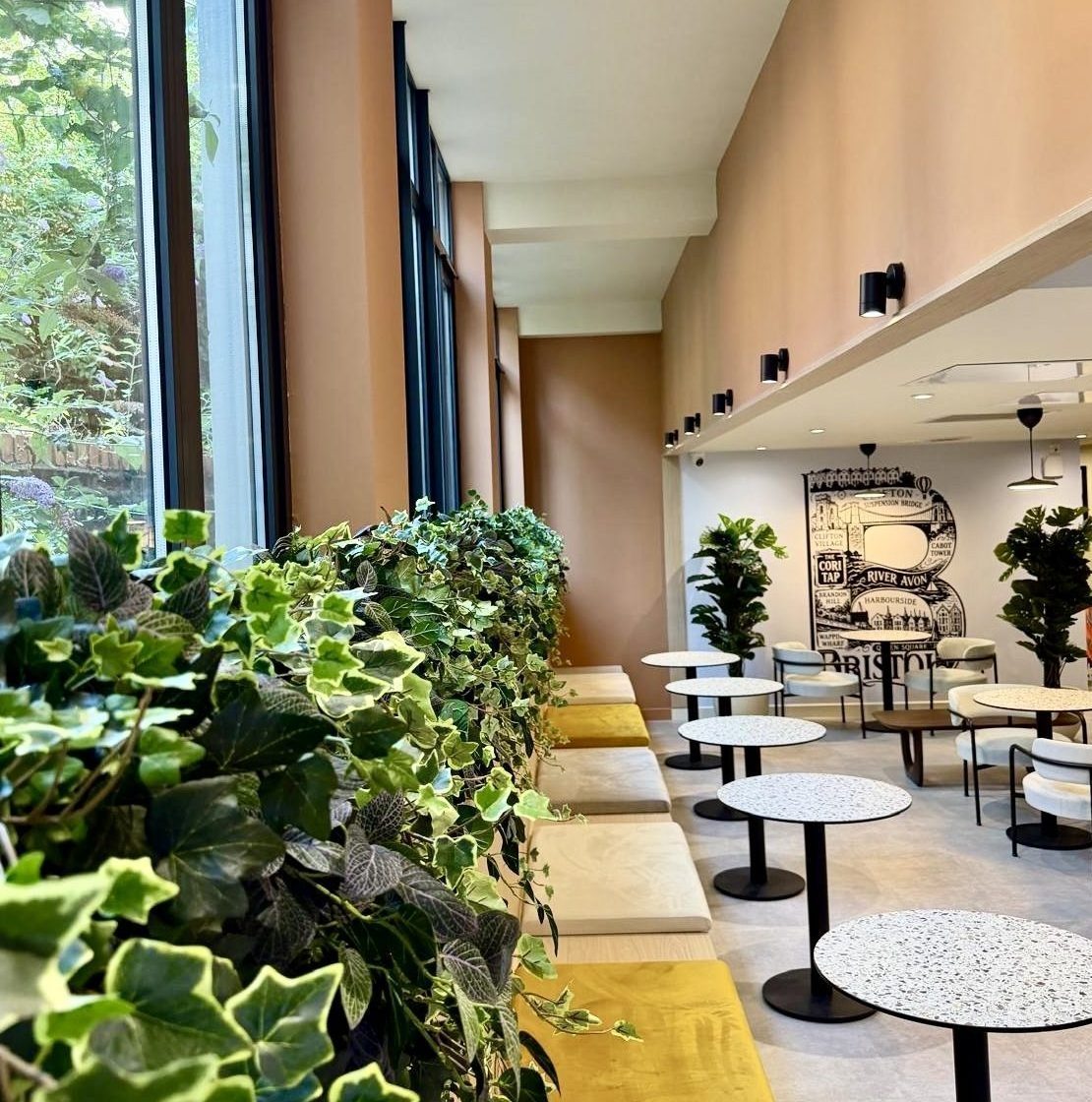
Bedrooms can be refreshed, kitchens upgraded and tired reception areas transformed. Underused spaces can become places to study, socialise or relax. Furniture, lighting, finishes and better space planning can completely change how a development feels.
More importantly, investment can be focused where it will have the greatest impact, rather than replacing everything.
Refurbishment won’t be right for every building, and it doesn’t automatically mean lower student rents. There are many factors that determine the price of accommodation.
But where an existing building is fundamentally sound, refurbishment can potentially require less capital investment than wholesale redevelopment or delivering an equivalent new scheme.
That could give owners and operators greater flexibility when considering their investment strategy, accommodation offer and price points.
Value doesn’t have to mean basic
Affordability shouldn’t mean accepting tired or uninspiring accommodation.
Students increasingly discover and compare where they’re going to live online.
UCAS found that 60% of applicants use TikTok to understand what accommodation is really like, while 74% are interested in room tours and 52% look for reviews of specific buildings.
An older building can therefore be competing with a brand-new development on a student’s phone screen before they’ve visited either.
But good design doesn’t have to mean expensive design.
It’s about asking the right questions.
What can we retain? What isn’t working? Which spaces matter most to students? And where will investment make the biggest difference?
Sometimes improving bedrooms, kitchens and communal areas can reposition an existing development without trying to recreate everything offered by the newest premium scheme in the city.
Making better use of what we already have
The future of PBSA isn’t a choice between new development and existing stock. We need both.
But with affordability increasingly influencing student decisions, there’s a strong argument for looking more closely at existing accommodation before assuming newer is always better.
For operators, perhaps the question isn’t:
“How do we compete with the newest building?”
It’s:
“What do we need to change for students to choose ours?”
If existing accommodation can be thoughtfully refurbished, its useful life extended and its appeal to students improved while controlling capital expenditure, that potentially benefits both operators and the students they’re trying to attract.
The future of student accommodation isn’t only about building more. It may also be about making better use of what’s already there.