Reusing Furniture in Communal and Amenity Spaces
Student accommodation refurbishment extends far beyond bedrooms.
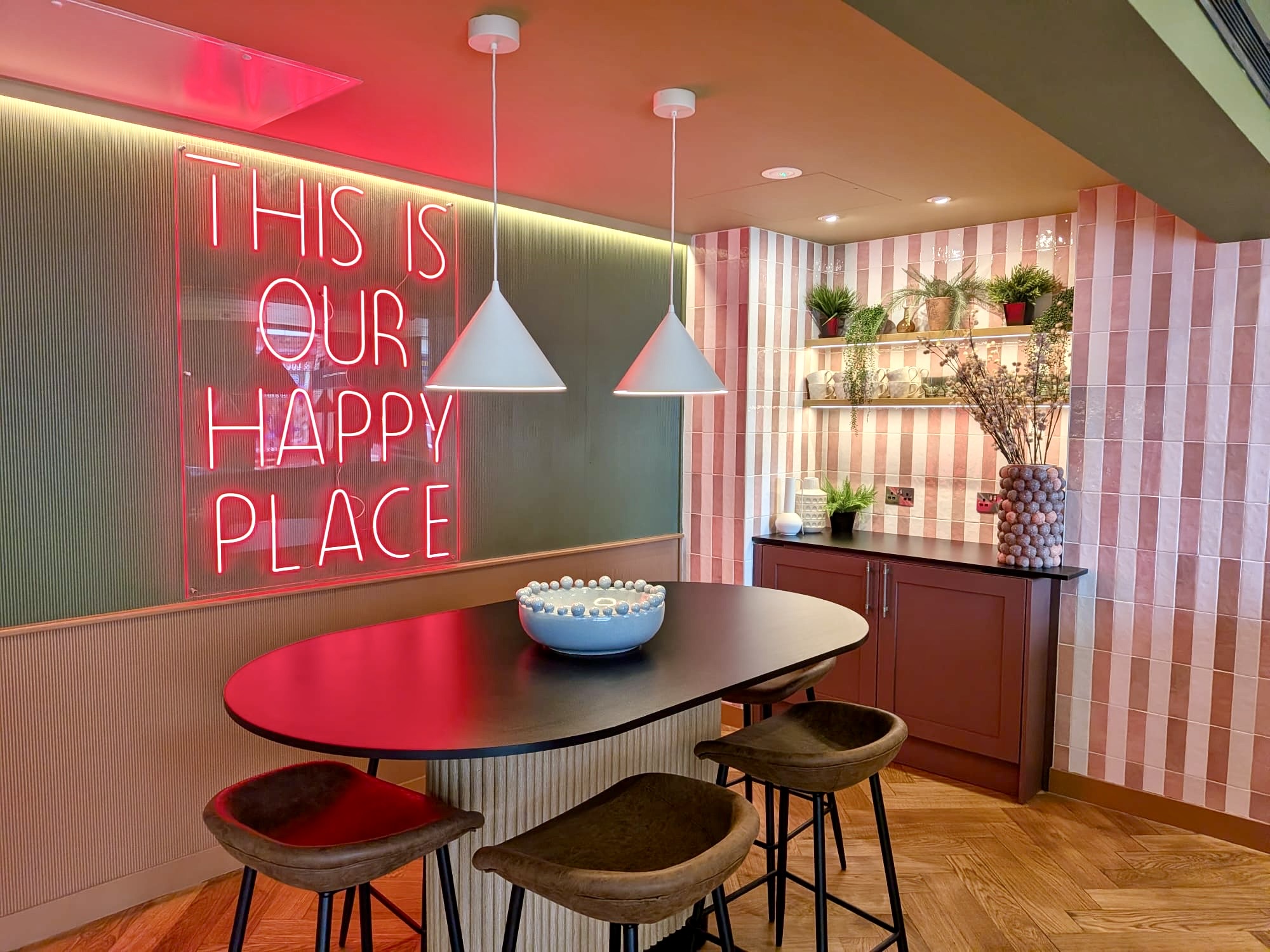
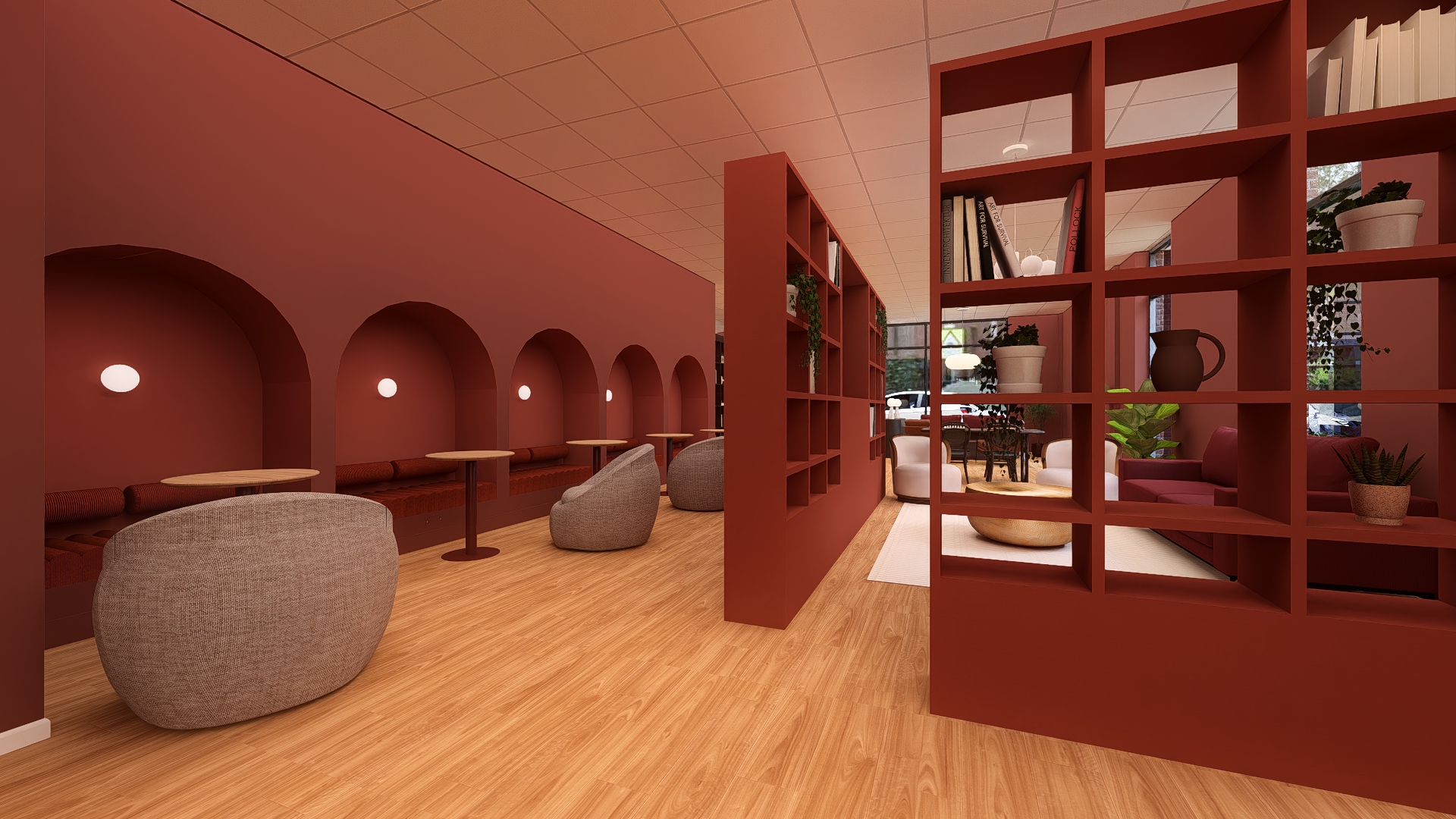
Reception areas, lounges, cinema rooms, games rooms, dining areas and study spaces are regularly upgraded to improve the resident experience. During these projects, furniture such as sofas, armchairs, booth seating, coffee tables and collaborative workstations is often removed despite remaining structurally sound.
Amenity furniture often represents one of the largest investments within a refurbishment project. Before replacing sofas, booth seating or collaborative furniture, it is worth considering whether these items can be reupholstered, refinished or repurposed. Extending the life of existing furniture can reduce costs, minimise waste and support wider sustainability and ESG objectives.
Rather than replacing every item, operators may wish to consider whether furniture can be:
- Professionally reupholstered.
- Refinished or repaired.
- Relocated elsewhere within the portfolio.
- Donated to charities or community organisations.
- Collected by commercial furniture reuse specialists.
Refurbishing furniture can often preserve the original quality while giving communal spaces a fresh new appearance.
Supporting the Circular Economy
The construction and property sectors are increasingly embracing the principles of the circular economy, keeping products and materials in use for as long as possible.
Applying these principles to student accommodation refurbishment can help reduce demand for new materials while lowering the environmental impact of refurbishment programmes.
Simple changes, such as repairing furniture, replacing upholstery or redistributing surplus items across multiple sites, can significantly extend the lifecycle of existing assets.