Skip to Content or Footer

Is the Cost of Student Accommodation Changing Where Students Choose to Live?

With accommodation costs rising and young people having more choices about what they do after school, could affordability begin to influence not only where students live, but where – and whether – they choose to study?

Inspired Projects Cost of Accomodation

For generations, moving away from home has been considered an important part of the university experience. But today’s students are making that decision against a very different financial backdrop.

The question isn’t simply “Which university do I want to go to?”

Increasingly, it’s also “Can I afford to live there?”

Accommodation represents a significant proportion of the cost of university, and recent UCAS research into student accommodation choices suggests students are paying close attention. Among applicants intending to live away from home, 77% rated accommodation price as extremely or very important, while 73% said the same about value for money. Three-quarters also said the quality and availability of accommodation played a role in where they chose to study.

Students are researching earlier too. Some 28% begin looking at accommodation before they’ve even submitted their university application.

UCAS has also recently introduced a Budget Calculator, allowing prospective students to compare real-world living costs based on location, lifestyle and accommodation. It uses location-specific data to help students understand how affordability can differ depending on where they choose to live and study.

So accommodation isn’t simply somewhere to live once a university has been chosen.

It’s becoming part of the university decision itself.
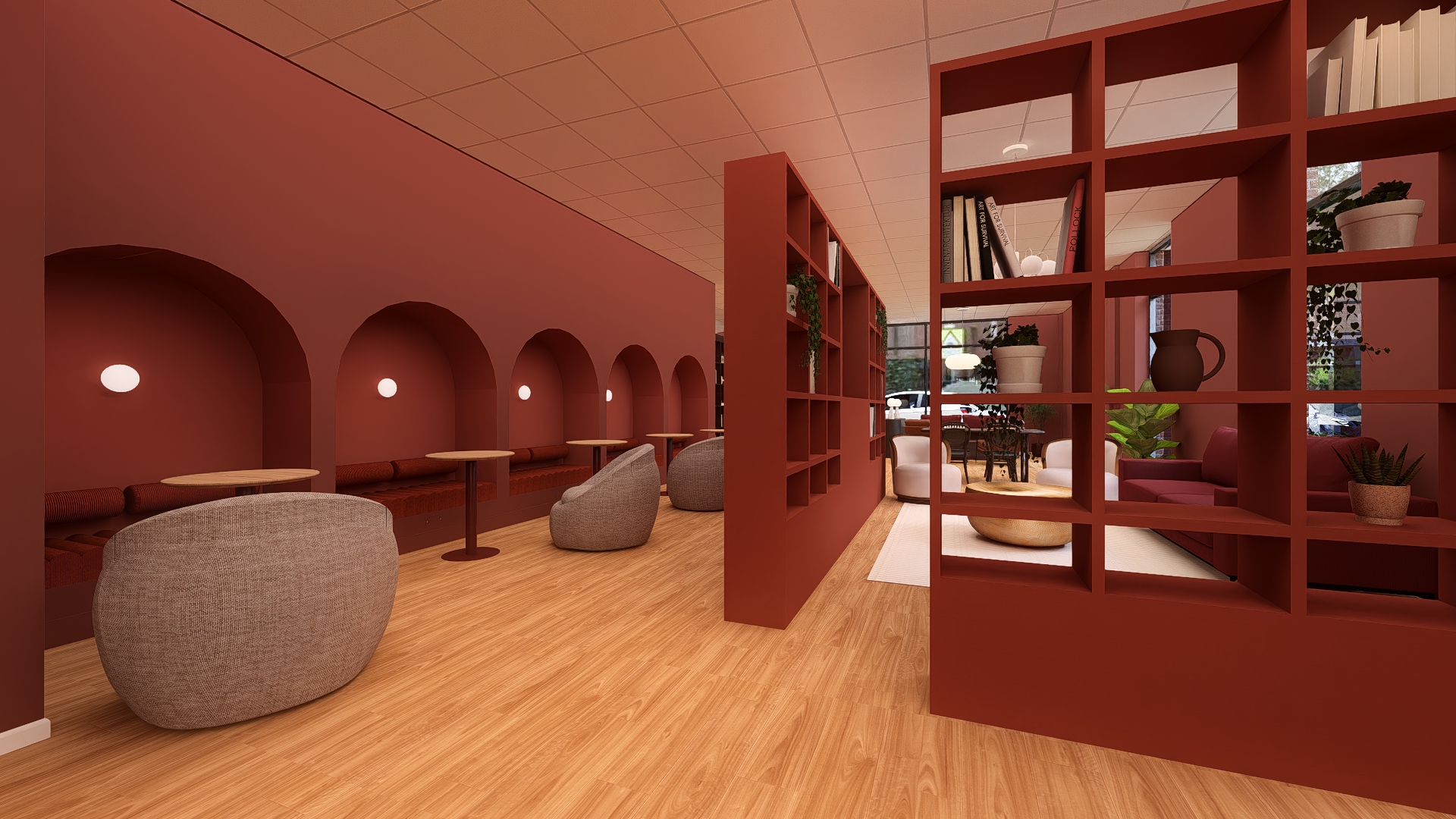
Student Castle Inspired Projects design moonboard

Is staying at home becoming more attractive?

For students within commuting distance of a university, living at home offers an obvious way to remove one of the largest costs associated with studying.

But moving away offers something very different: independence, friendships, community and the experience of university life.


That leaves the sector with an interesting question:

If a student has the option of staying at home, how do we make moving away feel worth the additional cost?

The answer doesn’t necessarily appear to be more luxury.

UCAS found that 60% of applicants wanted a balance between lower rent and better facilities, compared with 26% who prioritised lower rent alone and just 14% who put better facilities first.

Students want a good experience, but they also want value.

Is the Cost of Student Accommodation Changing Where Students Choose to Live?

University isn’t the only option

There is another factor worth considering.

Young people increasingly have credible alternatives to the traditional university route.


In June, the Government announced further investment in apprenticeships as part of what it described as moving away from a “degree by default” culture.

The Government is investing £3.3 billion in apprenticeships this year, with an ambition to create 50,000 additional apprenticeship starts for young people by 2029.

Read the Government’s announcement on youth apprenticeships

For a school leaver, the financial comparison can be significant: study full-time at university or begin earning while gaining qualifications and practical experience through an apprenticeship.


What impact could AI have?

Artificial intelligence is already changing the workplace and the skills employers require, including some of the entry-level work traditionally undertaken by graduates.


Will that mean fewer young people choose university?

AI could reduce demand for certain roles while creating entirely new careers and increasing demand for highly skilled graduates in other areas.

And importantly, there is currently no evidence of young people abandoning higher education.


In August, UCAS reported a record 262,820 UK 18-year-olds had secured an undergraduate place – 3% more than the previous year. The entry rate remained broadly flat, however, with some of that growth reflecting the larger population of 18-year-olds.


But as career paths evolve and apprenticeships become more established, young people may begin scrutinising the financial value of university more closely.

For PBSA, that makes the affordability and quality of the wider university experience increasingly relevant.

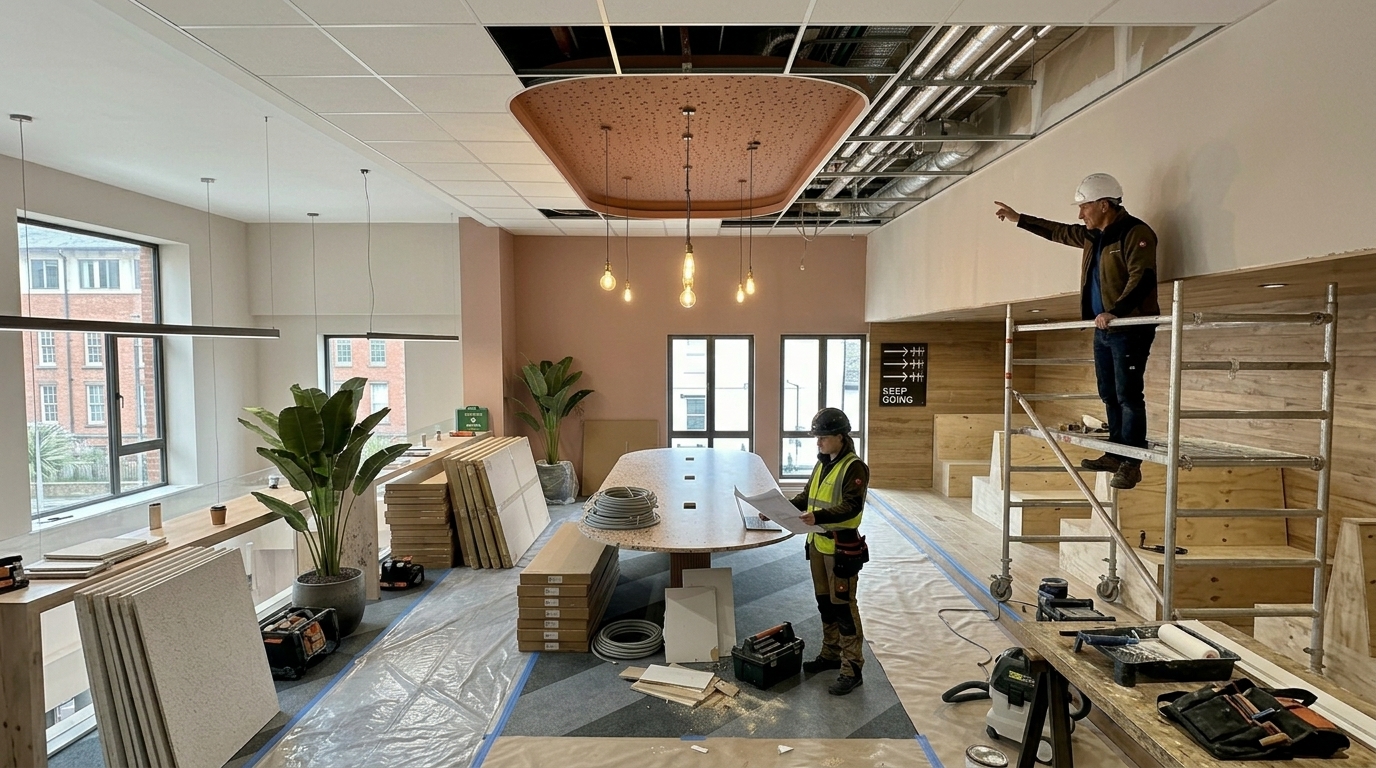
CGI Design - fit out contractor Glasgow

What can the PBSA sector do?

The sector can’t control AI, government policy or whether a young person chooses an apprenticeship.

But it can influence the cost, quality and experience of living away from home.


New PBSA development will continue to be essential, particularly in cities where additional student beds are needed.

However, delivering new accommodation involves substantial investment. Land, construction, materials, labour, finance and fit-out all contribute to the overall cost of bringing a new development to market.

Those costs inevitably form part of the commercial model behind a development.

So alongside asking where we need to build more, perhaps there’s another question worth asking:

Could we get more from the student accommodation we already have?


Across the UK there are established PBSA properties in strong university locations that remain fundamentally good assets but no longer look or function like the accommodation today’s students are comparing them against.

They don’t necessarily need replacing.

They may simply need rethinking.

Clarence dock leeds
Is the Cost of Student Accommodation Changing Where Students Choose to Live?

Could refurbishment be part of the answer?

A considered refurbishment can transform an existing property while retaining much of the original asset.

Bedrooms can be refreshed, kitchens upgraded and tired reception areas transformed. Underused spaces can become places to study, socialise or relax. Furniture, lighting, finishes and better space planning can completely change how a development feels.

More importantly, investment can be focused where it will have the greatest impact, rather than replacing everything.

Refurbishment won’t be right for every building, and it doesn’t automatically mean lower student rents. There are many factors that determine the price of accommodation.

But where an existing building is fundamentally sound, refurbishment can potentially require less capital investment than wholesale redevelopment or delivering an equivalent new scheme.

That could give owners and operators greater flexibility when considering their investment strategy, accommodation offer and price points.


Value doesn’t have to mean basic

Affordability shouldn’t mean accepting tired or uninspiring accommodation.

Students increasingly discover and compare where they’re going to live online.

UCAS found that 60% of applicants use TikTok to understand what accommodation is really like, while 74% are interested in room tours and 52% look for reviews of specific buildings.

An older building can therefore be competing with a brand-new development on a student’s phone screen before they’ve visited either.

But good design doesn’t have to mean expensive design.

It’s about asking the right questions.

What can we retain? What isn’t working? Which spaces matter most to students? And where will investment make the biggest difference?

Sometimes improving bedrooms, kitchens and communal areas can reposition an existing development without trying to recreate everything offered by the newest premium scheme in the city.


Making better use of what we already have

The future of PBSA isn’t a choice between new development and existing stock. We need both.

But with affordability increasingly influencing student decisions, there’s a strong argument for looking more closely at existing accommodation before assuming newer is always better.

For operators, perhaps the question isn’t:

“How do we compete with the newest building?”

It’s:

“What do we need to change for students to choose ours?”

If existing accommodation can be thoughtfully refurbished, its useful life extended and its appeal to students improved while controlling capital expenditure, that potentially benefits both operators and the students they’re trying to attract.

The future of student accommodation isn’t only about building more. It may also be about making better use of what’s already there.


Refurbished student accommodation at The Printworks Exeter by Inspired Projects featuring the Games Room

Does design influence where students choose to live?

Price is important, but it’s only part of the decision.

Once accommodation offers the right value, how much does its design influence which property a student actually chooses?

In another recent Inspired Projects article, we looked at what students are saying about bedrooms, social spaces, study areas and amenities – and how design can influence their accommodation choices.

Read next: Does Design Influence Where Students Choose to Live? →

More News