The Shift Redefining Student Accommodation
It’s no longer unusual to see students choosing Build to Rent (BTR) over traditional PBSA and that shift is sending a clear message to the sector.
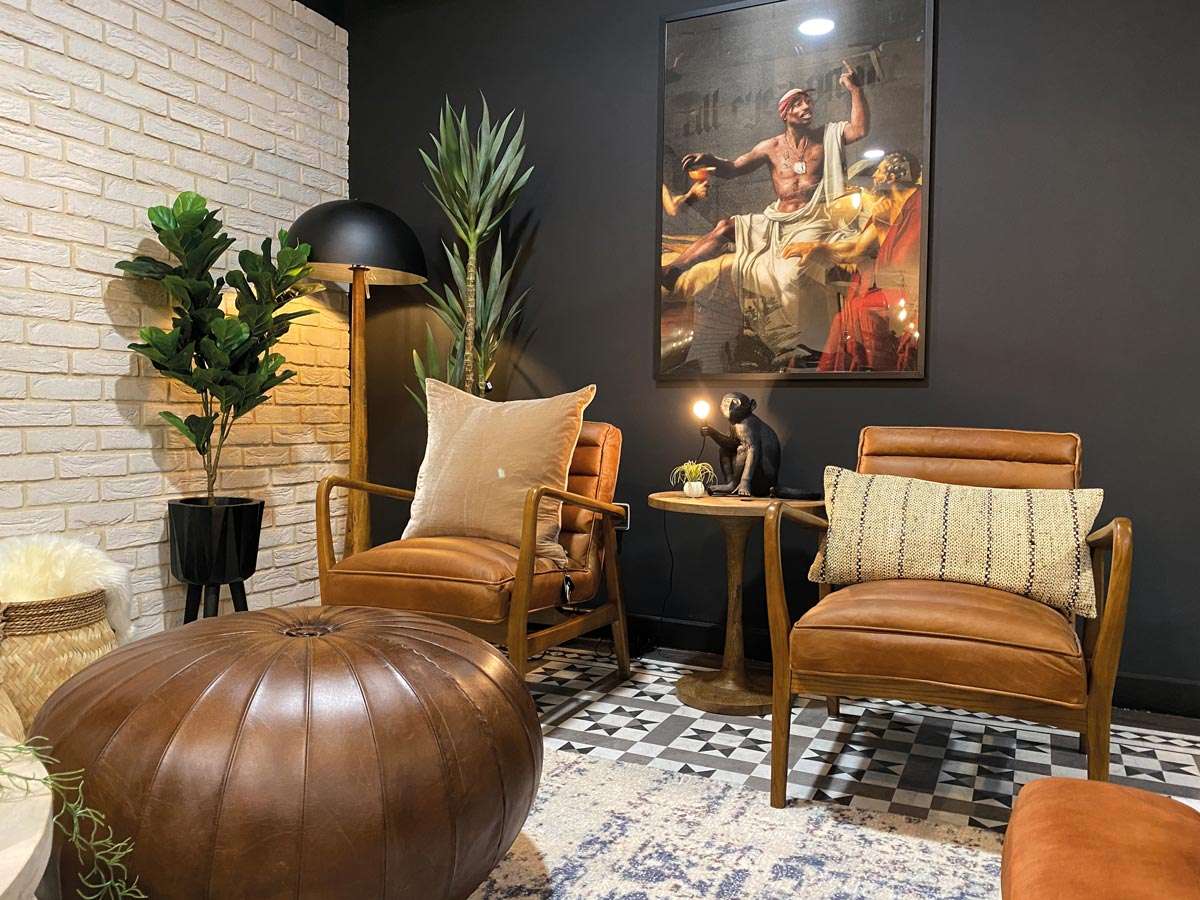
Postgraduates and mature students, in particular, are prioritising space, autonomy, and flexibility over price alone. They want living environments that support how they actually live day to day: calm, functional, and adaptable. Increasingly, student accommodation is expected to feel like a home – not simply a bed for the academic year.
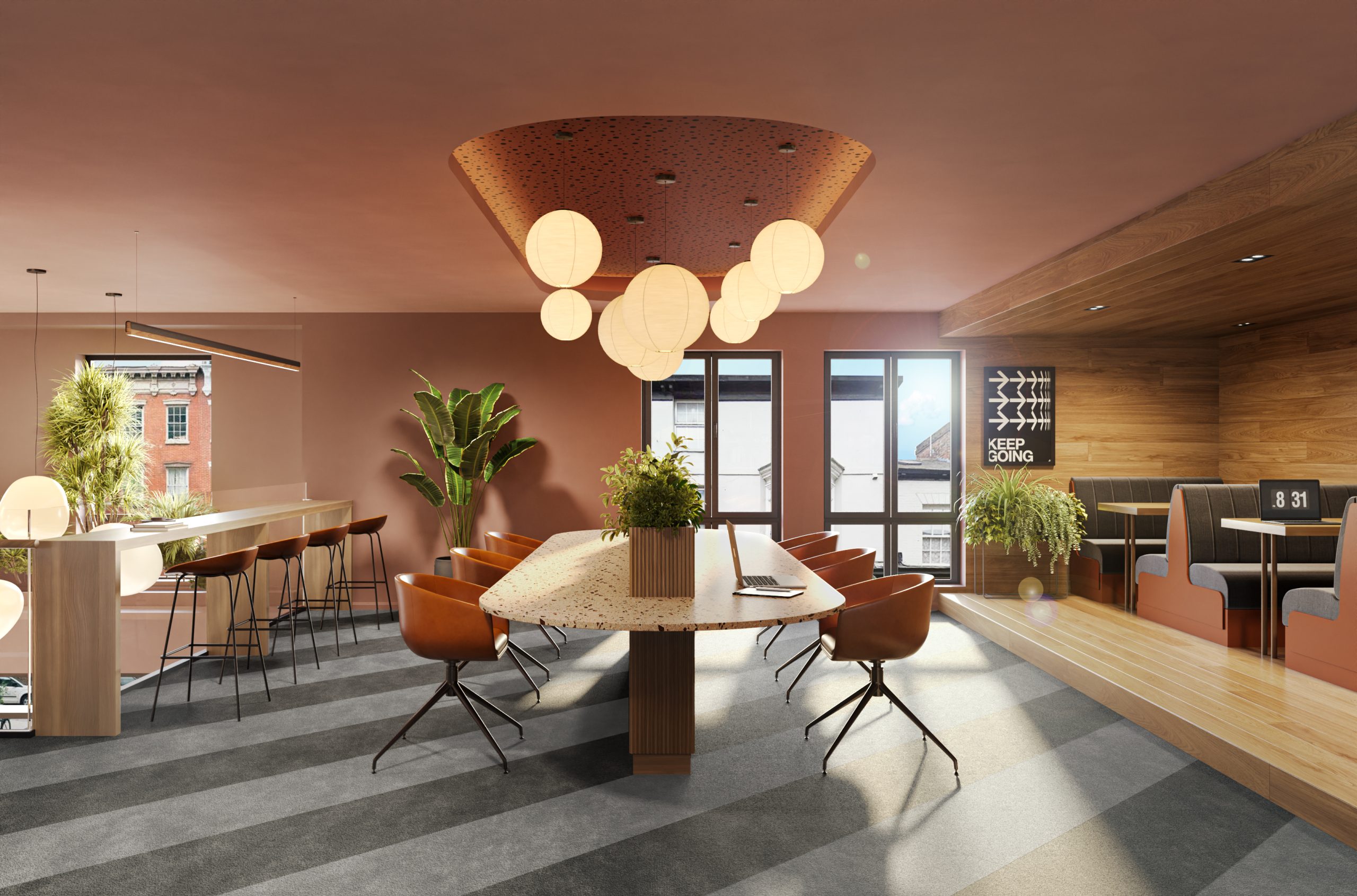
Students aren’t just looking for a place to sleep – they’re looking for a place to live, work, and soclialise.
For PBSA operators, this represents both a challenge and a significant opportunity.
Traditional student amenity strategies – large lounges, event-led spaces, and centralised social hubs were designed to create buzz and energy. In reality, many of these spaces peak briefly during programmed events and remain underused for much of the year.
BTR schemes, by contrast, attract a broader resident base by offering shared spaces that are functional, flexible, and genuinely usable day and night. This raises a critical question for PBSA operators:
Does our amenity strategy truly support retention, occupancy, and long-term income stability?
First-Year Students Are Changing the Rules
The long-held assumption has been that first-year students want constant social interaction and highly programmed environments. While community and connection still matter, today’s students increasingly value choice and control over how they use shared spaces.
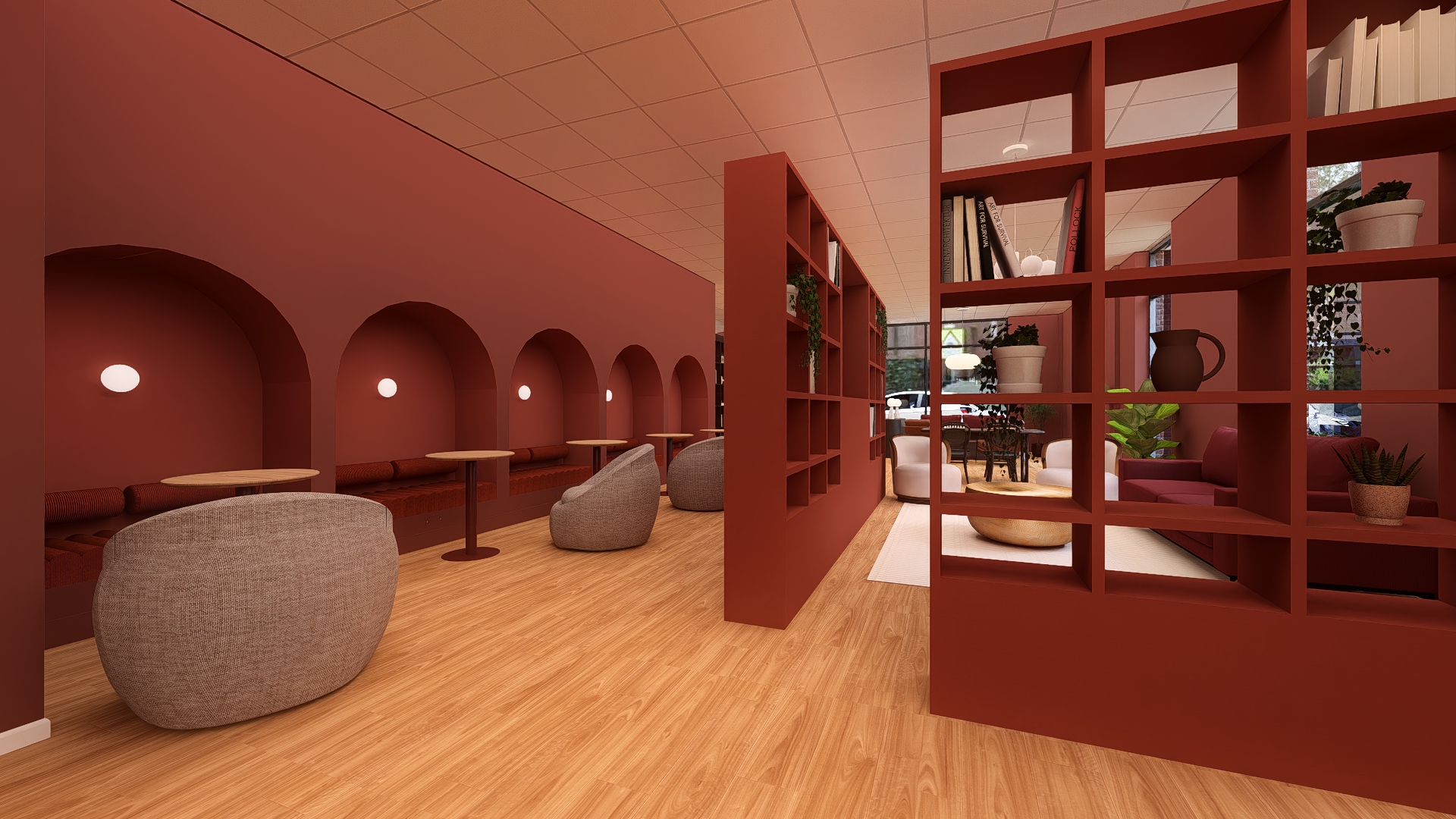
Quiet study areas, work-friendly environments, and flexible communal zones are no longer “nice to have” – they’re expected.
BTR resonates because its shared spaces are multi-purpose, accessible, and practical. Students are treating their accommodation as a personal living environment, not just a social venue. This behavioural shift is one PBSA operators can no longer afford to ignore.